What inverted block drainage is used for
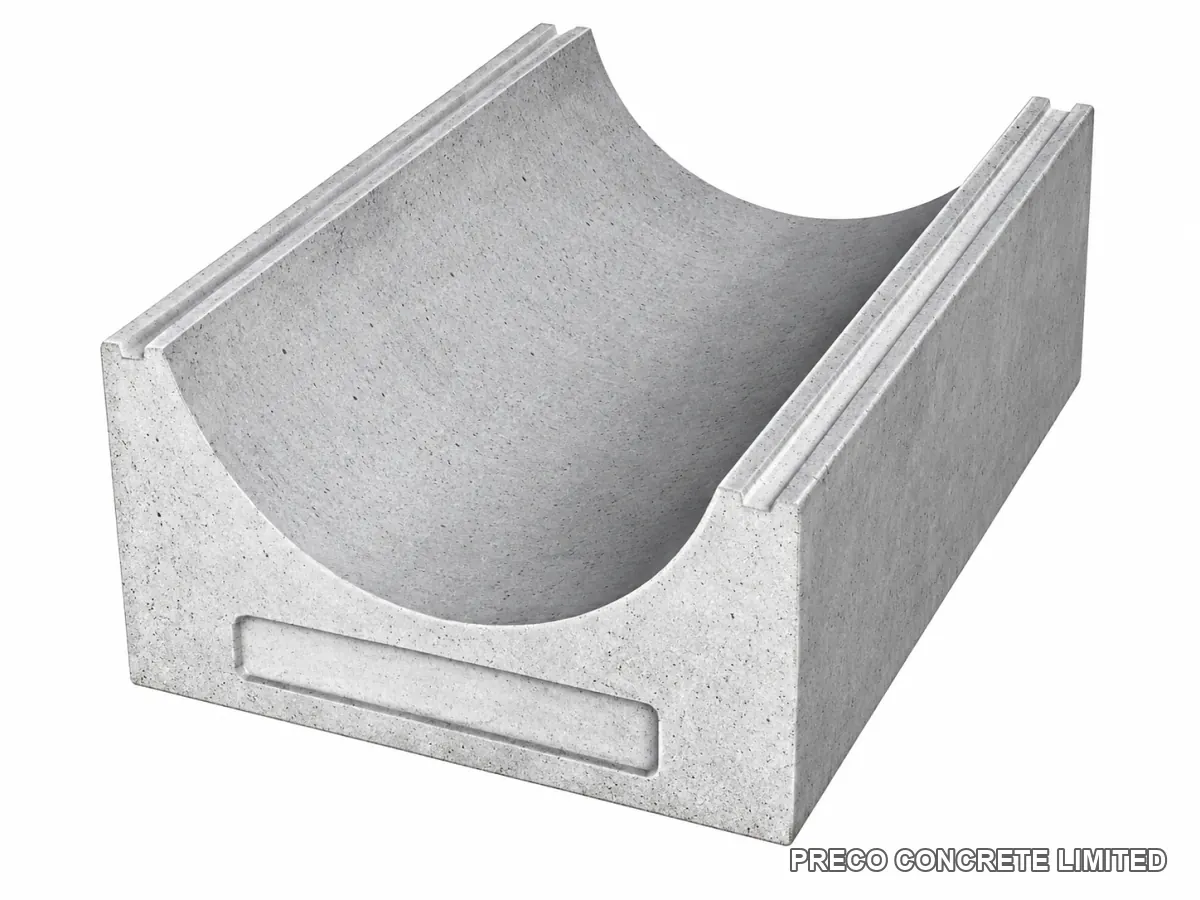
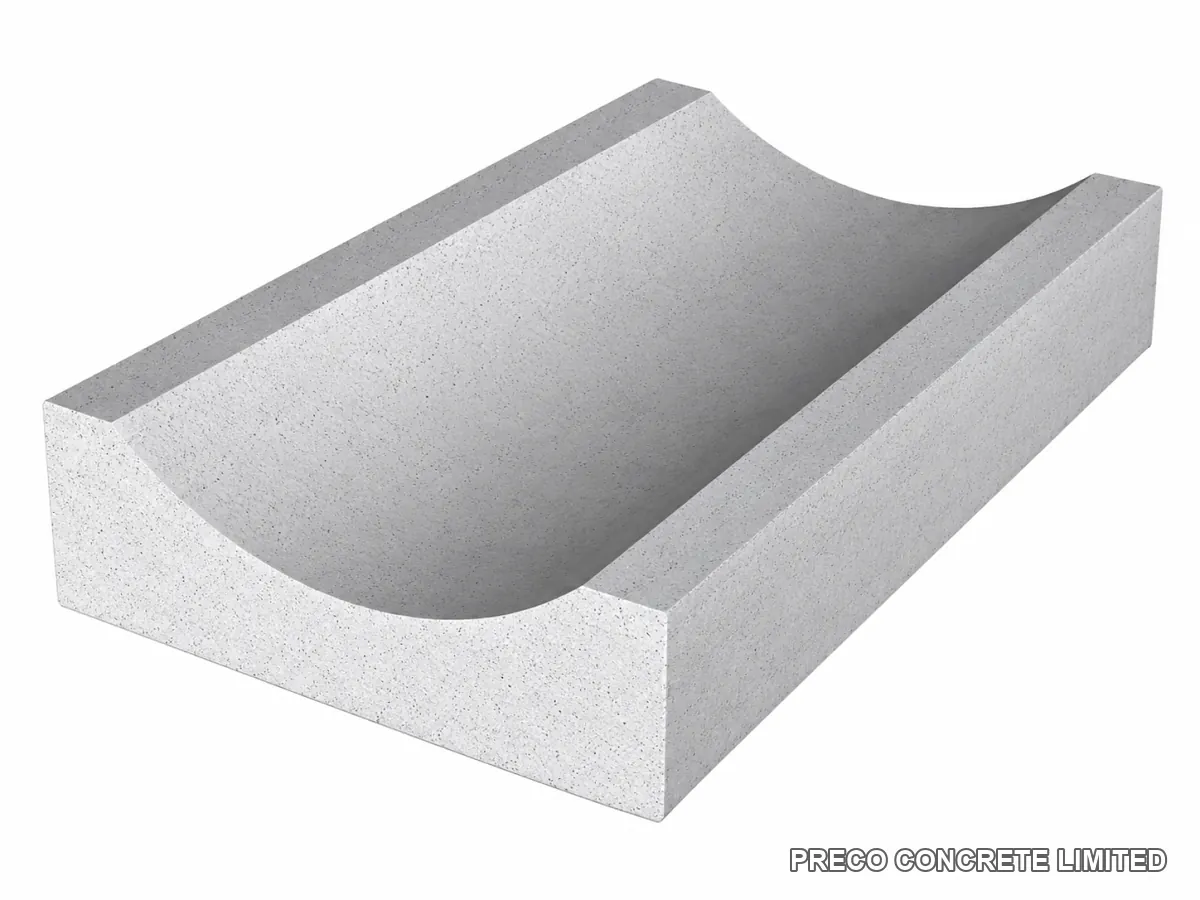
An inverted block drainage system, written IBD or IBDS on most drawings, lines an open roadside drain with precast concrete instead of leaving it as a cut earth ditch. The invert block forms the base of the channel and carries the flow. Side slabs line the banks either side, retaining the soil and holding the channel to a fixed section.
An unlined ditch scours in heavy rain, loses its shape and silts up, and the material it sheds ends up in the next culvert down the line. A lined invert block drain keeps its profile through the season, keeps water moving instead of ponding, and can be cleared with a shovel rather than a machine.
It is the standard detail for longitudinal drainage alongside a carriageway on Kenyan road projects, and it does the same job on estate roads, access roads, institutional compounds and industrial yards where run-off has to be collected and taken to an outfall.
How the system goes together
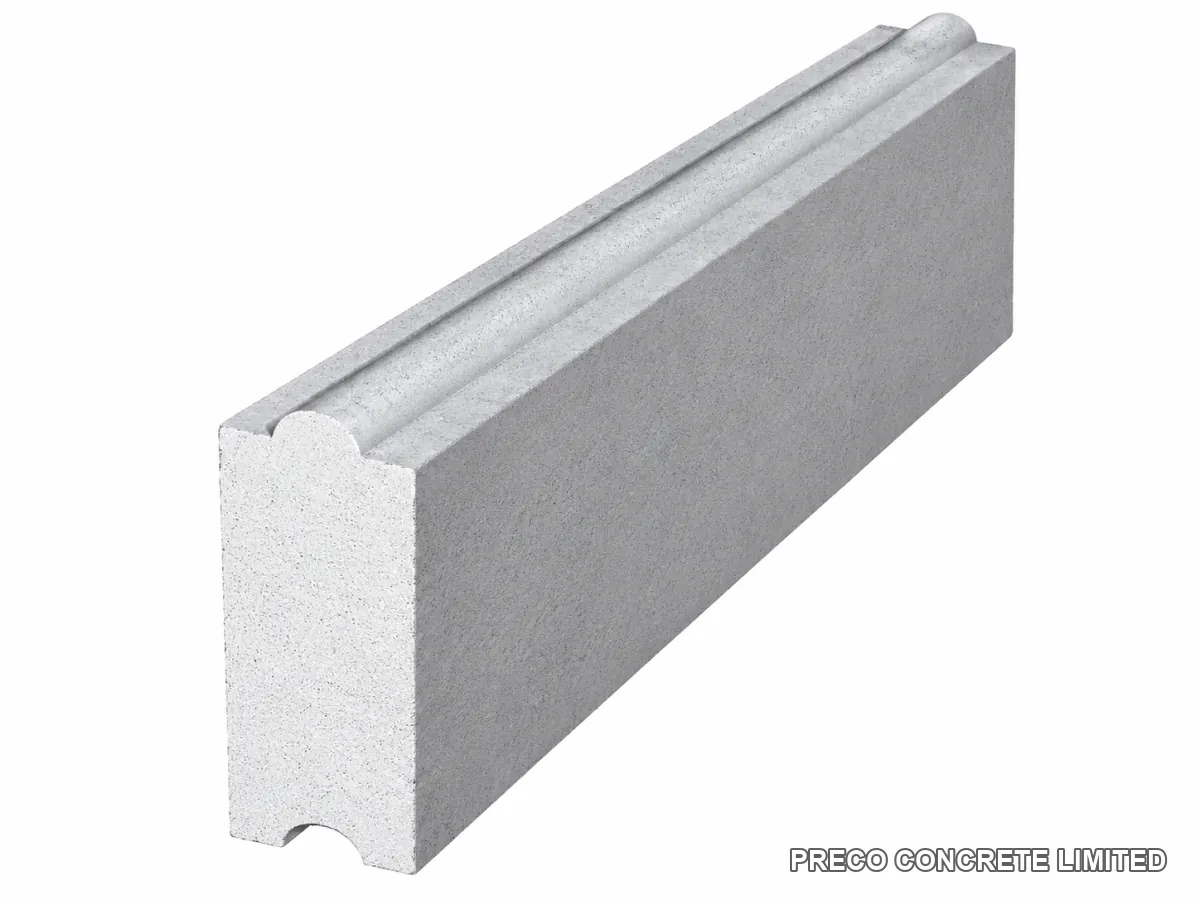
The channel is built from two components ordered together. The invert block sits in the base of the excavated drain, bedded on concrete, and sets the invert the water runs along. Side slabs are then set against the banks on both sides, at the batter the drawing specifies, to retain the soil and complete the section.
On road contracts the detail is drawn by the engineer. Project drawings commonly show the invert block bedded in concrete with a lining course each side and concrete fill beneath the units. Concrete classes and bed thicknesses differ between contracts, so build to the drawing you have been issued rather than to a general rule.
Specifications
| Type |
Precast concrete invert block for lined drainage channels |
| Standard size |
610 x 450 x 230 mm |
| Laid with |
Side slabs, one course each side |
| Sold by |
the block |
Pricing
Not available – no price has been recorded for this product yet. Please request a quotation.
Availability
The sizes below are the standard Kenyan sizes for this product and are shown so you can see what is normally available. Preco’s own range, weights and prices are being confirmed – ask for a quote against the size you need.
Installation notes
Excavate to the designed invert and trim the bottom so that water does not pond. Road specifications in Kenya commonly require the finished invert of a lined ditch to fall within +0 mm to -50 mm of the level the engineer has set.
Bed the invert blocks on concrete to the thickness shown on the drawing, working from the downstream end upwards and checking the fall as you go. Set the side slabs against the trimmed banks, then backfill behind them in compacted layers so they are not pushed inwards later.
Delivery
Made at our Ngong factory. Collection from the yard or delivery by the load across Nairobi and Kajiado.
Common questions
What is the difference between an invert block drain and a U-channel?
A U-channel is one unit with the base and both sides cast together, which suits smaller flows and a narrower section. An invert block drain is built up from a separate base unit and side slabs, so the channel can be made wider and deeper, and a damaged unit can be lifted and replaced on its own.
Do invert blocks always need side slabs?
For a fully lined channel, yes. Where only the base needs protecting, in firm ground that is not scouring at the sides, invert blocks are sometimes laid alone. The engineer’s drawing decides it.
How do I work out quantities?
Send us the length of the run and the section from your drawing. We will return a count of invert blocks and side slabs with an allowance for cuts and breakages.